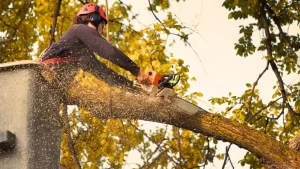
Tree trimming, also called pruning, is one of the most important ways to maintain healthy trees in Minnesota. However, the timing of when you trim your trees is just as important as the trimming itself. Cutting at the wrong time can weaken a tree, invite pests, or cause lasting damage.
At ArborWise Tree Management, we use a science-based approach to determine the best time for tree trimming. Minnesota’s distinct climate and seasonal changes make timing especially critical. Whether your goal is to shape your trees, manage storm risk, or encourage healthy growth, knowing when to trim makes all the difference.
Why Timing Matters for Tree Trimming
Minnesota trees experience every season in full force, from icy winters to humid summers. These temperature swings affect sap flow, growth rates, and a tree’s ability to heal. Trimming at the wrong time can disrupt these natural rhythms.
Proper pruning timing ensures:
- Healthier growth by encouraging the right branch structure.
- Lower risk of disease from fungi and insects.
- Increased safety during storms or heavy snow.
- Longer lifespan and better overall appearance.
The Best Time to Trim Most Trees: Late Winter to Early Spring
For most Minnesota trees, late winter through early spring (February to April) is the ideal time for pruning. During this dormant period, trees conserve energy, pests are inactive, and the tree’s structure is easier to see.
Benefits of Winter Pruning:
- Minimal stress on the tree since it is not actively growing.
- Easier to spot structural issues and make clean, accurate cuts.
- Reduced chance of fungal infection or insect infestation.
- Little to no sap bleeding from species like maples or birches.
Trees That Benefit Most:
- Oak
- Maple
- Elm
- Birch
- Linden
- Ash
Winter pruning helps prepare trees for vigorous spring growth and ensures strong branch development when temperatures rise.
Summer Trimming: When It’s Safe and Useful
Although dormant-season trimming is best, summer pruning (June through August) can also be beneficial in certain cases. This is especially true for shaping, removing small dead limbs, or improving air flow.
Benefits of Summer Trimming:
- Better visibility of canopy shape and density when leaves are full.
- Reduced limb weight and breakage risk during summer storms.
- Early detection of pest or disease symptoms on active foliage.
Summer trimming should be done with caution during hot or dry weather, as trees are more prone to stress. It is best suited for light maintenance rather than heavy cutting.
The Worst Time to Trim: Early Fall
As the growing season winds down, trees begin storing nutrients in their roots to prepare for winter. Pruning in early fall disrupts this process and can expose wounds to decay and disease.
Why Fall Pruning Is Risky:
- Fungal spores are highly active and can enter fresh cuts.
- Slower healing as trees enter dormancy.
- Energy loss during a critical nutrient storage period.
If pruning is absolutely necessary in the fall, such as removing storm-damaged branches, it should be done selectively and with care.
Special Considerations for Oak and Elm Trees
Oaks and elms are valuable species in Minnesota, but they are also vulnerable to deadly diseases spread by insects. Correct timing is essential for these trees.
- Oaks: Prune only between November and March. Avoid trimming from April through July to prevent the spread of oak wilt, which is transmitted by sap beetles.
- Elms: Prune only from October through March to avoid Dutch elm disease, which is spread by bark beetles active in warm weather.
Following these seasonal guidelines helps protect not only individual trees but the wider Minnesota tree population.
Trimming Young Trees vs. Mature Trees
The right time to trim also depends on the age and maturity of the tree.
Young Trees
Young trees benefit from structural pruning to develop a strong framework. This is best done during the dormant months before vigorous growth begins. Proper early pruning prevents costly corrective work later in the tree’s life.
Mature Trees
Older trees require less frequent pruning. For these, dormant-season trimming is still preferred, but light pruning for safety or clearance can be done at other times. The goal is to maintain health, structure, and stability without removing too much live tissue.
Trimming for Safety and Storm Preparedness
Minnesota’s harsh weather can cause significant tree damage. Proactive trimming helps reduce hazards before they happen. By removing weak, overextended, or crossing branches, arborists can reduce the risk of breakage during storms or heavy snow.
Before storm season (late spring or early summer) is a good time to inspect trees for structural weakness or canopy imbalance. Trimming before major weather events helps protect your home, vehicles, and property.
Signs That a Tree Needs Trimming
No matter the season, there are signs that your tree might need attention:
- Broken, dead, or hanging branches
- Branches touching roofs or power lines
- Dense canopies blocking sunlight and airflow
- Cracks or decay where branches meet
- Branches crossing or rubbing each other
If you notice any of these issues, schedule an inspection with a certified arborist to evaluate the tree’s condition.
Why You Should Hire a Certified Arborist
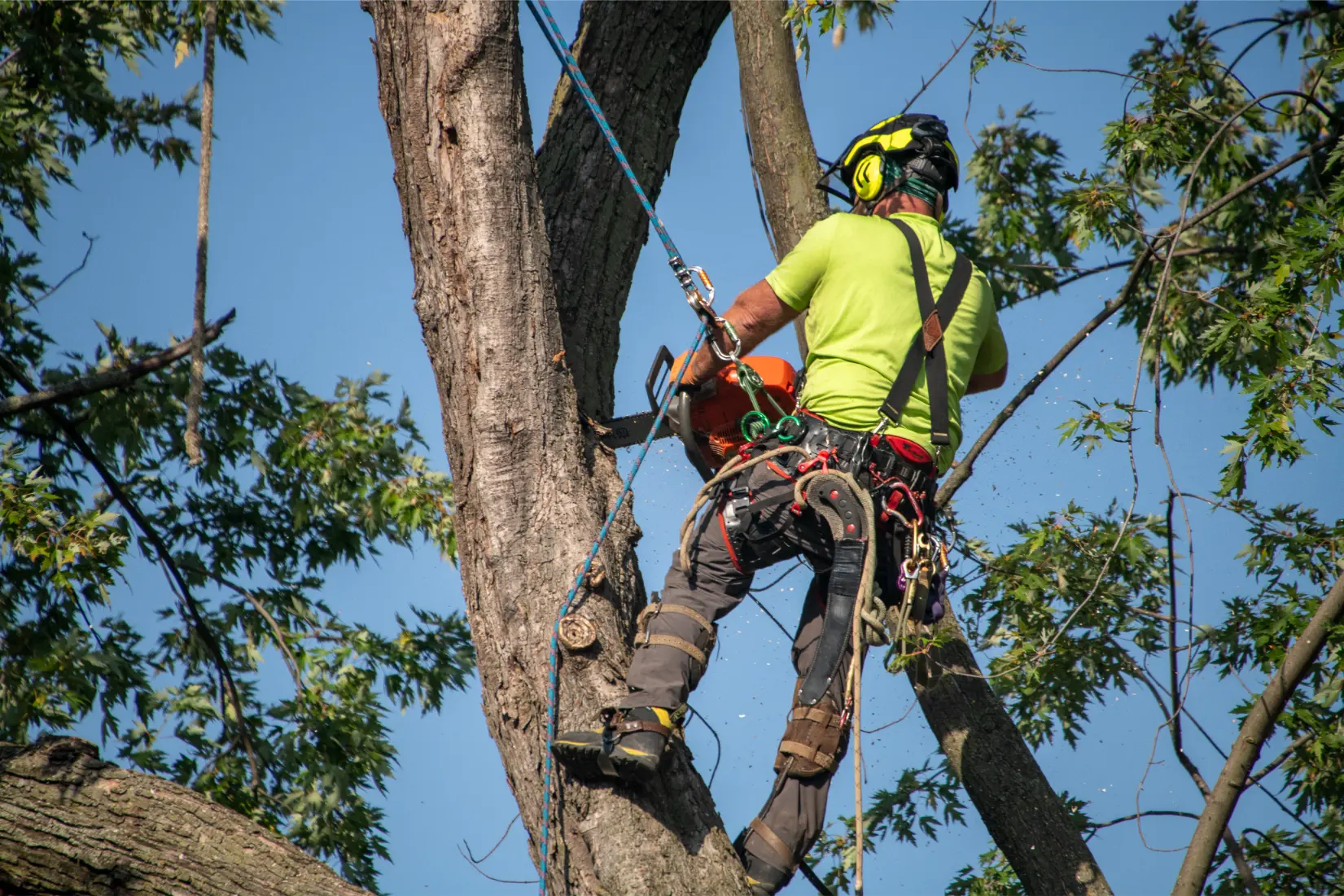
Tree trimming may look simple, but it requires an understanding of tree biology, proper cutting techniques, and safety protocols. Certified arborists follow national standards for pruning and are trained to recognize the unique needs of each tree species.
At ArborWise Tree Management, our ISA Certified Arborists approach each tree with care, knowledge, and precision. We use proper pruning practices to promote long-term health and safety while enhancing the beauty of your landscape.
Conclusion
So, when should trees be trimmed in Minnesota?
For most trees, late winter to early spring is the ideal time. Dormant pruning reduces stress, minimizes disease, and prepares trees for strong growth in the year ahead. Summer trimming can help with shape and health checks, while fall pruning should generally be avoided.
By trimming at the right time, and working with certified professionals, you can protect your trees, improve safety, and enhance the beauty of your property.
If you’re unsure about when or how to trim your trees, contact ArborWise Tree Management. Our team of ISA Certified Arborists provides expert tree care tailored to Minnesota’s environment and your property’s needs.