The 1-2-3 Rule of Pruning is a technique used to remove large branches safely and cleanly. It involves making three specific cuts in sequence. Each cut serves a purpose that prevents damage to the tree trunk and surrounding bark.
When a large limb is cut from the top without support, its weight can cause the bark to tear down the trunk as it falls. This tearing exposes the inner wood and can permanently weaken the tree. The 1-2-3 rule eliminates that risk.
Step 1: The Undercut
The first cut is made on the underside of the branch, about 12 to 18 inches away from the trunk. The arborist cuts about one-third of the way through the branch.
This undercut prevents the bark from tearing when the branch begins to fall. If the branch breaks early or splits under its own weight, the undercut stops the tear from traveling down into the trunk.
Step 2: The Top Cut
The second cut is made from the top of the branch, about one to two inches farther out from the first cut. This cut is made completely through the branch, allowing it to drop safely to the ground.
By removing the majority of the branch’s weight first, arborists can control the fall and protect both the tree and the surrounding area. This step ensures the trunk and bark remain intact.
Step 3: The Final Cut
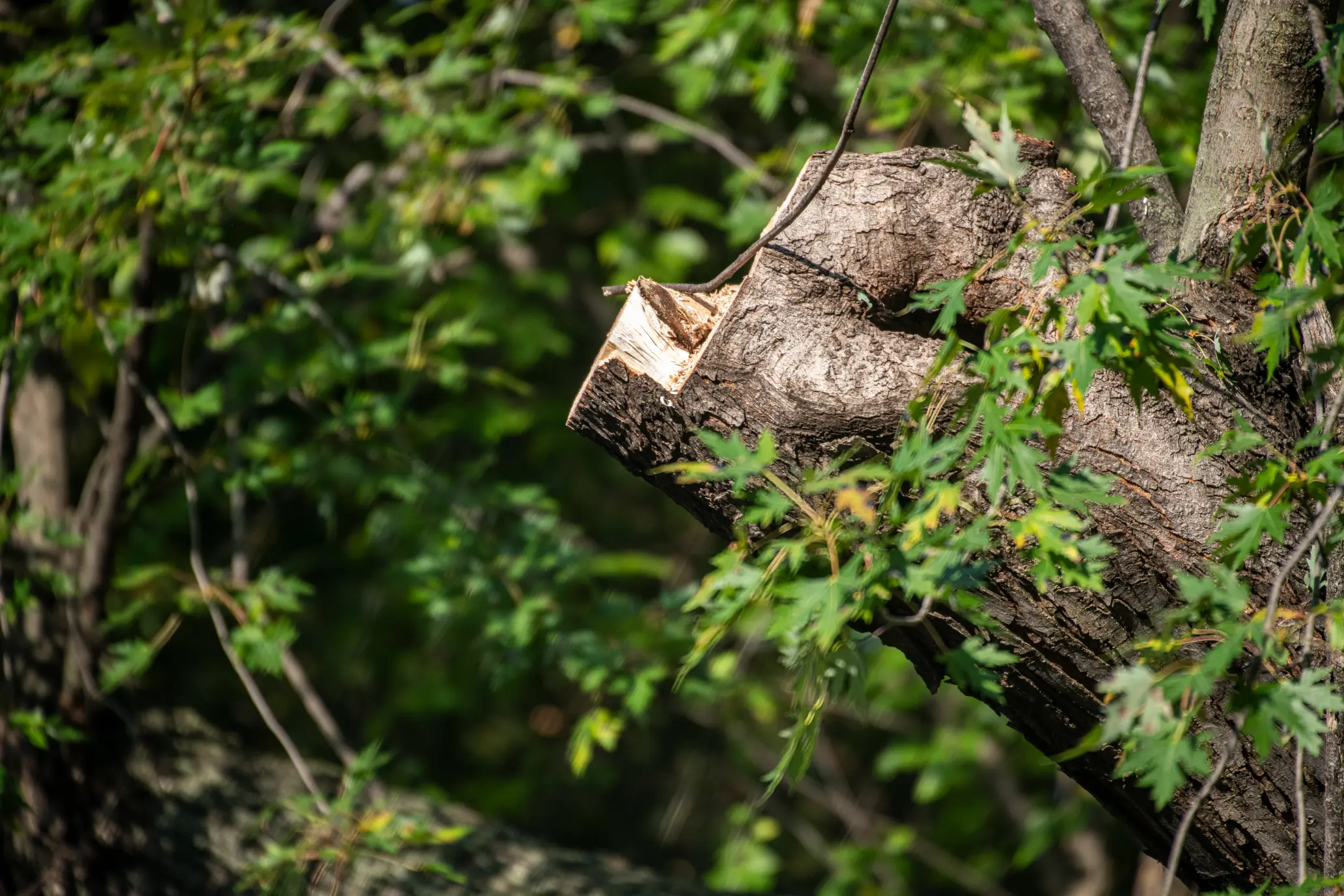
The third cut removes the stub that remains. This cut should be made just outside the branch collar, which is the slightly raised area where the branch connects to the trunk.
The branch collar contains specialized tissues that help seal wounds. Cutting too close to the trunk removes this protective zone, while leaving a long stub slows healing and invites decay. The final cut must be precise to allow the tree to form a natural callus over the wound.
Why the 1-2-3 Rule Works
Trees cannot heal the same way people do. Instead of repairing damaged tissue, they create new growth that seals over the wound. This process is called compartmentalization.
By using the 1-2-3 method, arborists:
- Prevent bark tearing and trunk injury
- Preserve the branch collar for proper healing
- Allow the tree to compartmentalize wounds effectively
- Reduce the size of the exposed surface area, minimizing decay
Clean, controlled cuts also reduce stress on the tree, helping it allocate energy to healthy growth rather than recovery from injury.
Common Pruning Mistakes to Avoid
Many tree owners make the mistake of pruning without understanding tree biology. The 1-2-3 rule helps prevent common errors such as:
- Flush cuts: Cutting too close to the trunk removes healing tissues and slows recovery.
- Stub cuts: Leaving a long stub prevents proper sealing and can lead to rot.
- Single cuts on large limbs: Cutting from the top only causes bark tearing and trunk damage.
- Improper tools: Dull saws or chainsaws create jagged cuts that injure the tree.
Certified arborists are trained to avoid these problems by following ANSI A300 pruning standards and using the correct equipment for every cut.
When to Use the 1-2-3 Rule
The 1-2-3 method is primarily used for removing large or heavy branches. It is especially useful when:
- A branch is more than two inches thick
- The limb extends horizontally or over a structure
- The tree has storm damage that needs correction
- Large sections of the canopy must be thinned for balance
Smaller branches can usually be removed with a single, clean cut, but larger limbs always benefit from the 1-2-3 approach.
The Best Time to Prune Trees in Minnesota
Timing is just as important as technique. In Minnesota, the best time to prune most trees is during late winter or early spring when they are dormant. This minimizes stress and reduces the risk of disease or pest infestation.
Summer pruning can be useful for shape correction or light canopy thinning, but heavy pruning during hot, dry conditions can stress the tree. Fall pruning should generally be avoided because fungi and pests are more active during that season.
Certain species, such as oaks and elms, require extra caution to avoid spreading oak wilt or Dutch elm disease. These trees should only be pruned during winter months when disease-carrying insects are inactive.
Safety and Professional Expertise
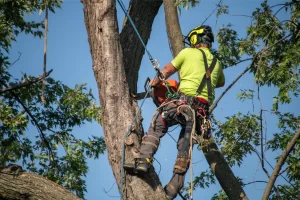
Pruning large trees can be dangerous. Heavy limbs are unpredictable, and a mistake can cause serious injury or property damage. Certified arborists have the training, safety gear, and specialized equipment needed to handle large removals properly.
At ArborWise Tree Management, safety and tree health are our top priorities. Our arborists assess each tree individually to determine the best pruning method and timing for the species, location, and condition of the tree.
The ArborWise Approach to Pruning
ArborWise Tree Management follows the 1-2-3 rule and other best practices from the International Society of Arboriculture to ensure professional results.
Our pruning services include:
- Structural and formative pruning for young trees
- Hazard and corrective pruning for mature trees
- Crown thinning and deadwood removal
- Seasonal maintenance and storm preparation
Each pruning plan is designed to support long-term tree health, stability, and beauty while keeping safety at the forefront.
Conclusion
The 1-2-3 Rule of Pruning is a simple but powerful technique that protects trees from bark tearing, decay, and structural damage. By making three controlled cuts, the undercut, top cut, and final cut, arborists can remove heavy branches safely while preserving the tree’s ability to heal.
Proper pruning requires knowledge, skill, and timing. When done right, it strengthens trees and keeps them healthy for decades.
If you need expert tree care or want to schedule a pruning consultation, contact ArborWise Tree Management. Our ISA Certified Arborists are dedicated to preserving the beauty, safety, and health of trees across Rochester and all of Minnesota.